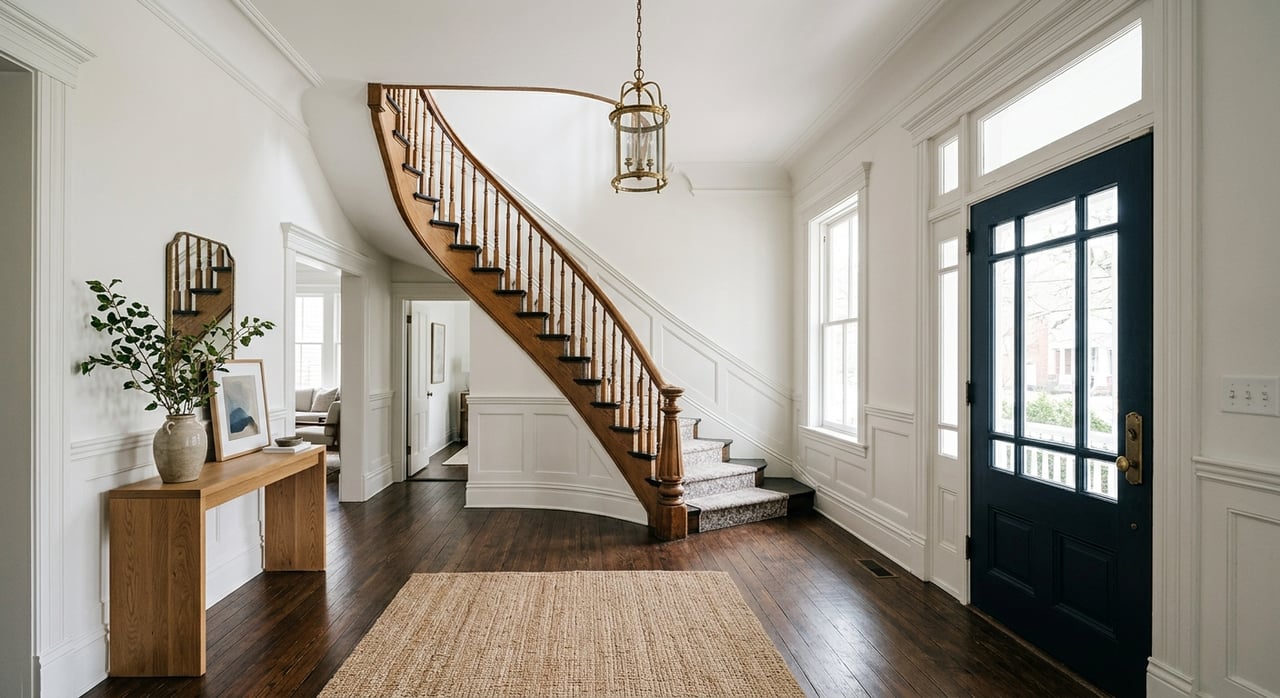
Thinking about buying a historic home in Kirkwood? It is easy to fall for the charm of a deep front porch, original woodwork, or distinctive brickwork, but older homes come with a different set of questions than newer construction. If you want character without surprises, it helps to know how Kirkwood’s preservation rules, home styles, and inspection priorities can affect your search. Let’s dive in.
Kirkwood’s historic roots go back to the mid-1850s, when the original town developed around Missouri’s first railroad corridor. That history still shapes the city today, especially in its residential architecture and preservation approach.
For buyers, that means you are shopping in a community with a meaningful number of protected historic resources. Kirkwood lists 85 designated landmarks and nine local historic districts, along with 24 National Register properties and four National Register districts.
That distinction matters because local designation and National Register status are not the same thing. In Kirkwood, local landmarks and local historic districts may trigger city review for certain exterior work, demolition, or new construction, while National Register status does not create local design review on its own.
It is also helpful to know what designation does not mean. According to the city, designation itself does not create new taxes or fees at the commission stage.
One of the best parts of buying in Kirkwood is the variety. Historic homes here are not limited to large Victorian houses. You may also see modest bungalows, classic early-20th-century homes, and even mid-century modern properties.
Kirkwood’s design guidelines recognize several common styles, including American Foursquare, Bungalow and Craftsman, Colonial Revival, Dutch Colonial, Queen Anne, Tudor Revival, Prairie, Mid-Century Modern, and Usonian-influenced homes. Knowing the basics can help you spot character-defining features and understand what may be important to preserve.
These homes are typically boxy, two-and-a-half-story houses with practical four-over-four floor plans. You will often see full-width porches, low-hipped roofs with central dormers, double-hung sash windows, and exterior materials like brick, stucco, or wood.
These homes usually have a lower profile and a strong connection to the front porch. Common features include one- to one-and-a-half-story layouts, wide overhanging roofs, deep porches, exposed rafter ends, knee braces, and natural-looking materials.
These homes tend to emphasize symmetry and a centered front entry. You may notice side-gable or hipped roofs, multi-pane windows, and in Dutch Colonial homes, the distinctive gambrel roof.
Queen Anne and related homes often have irregular shapes, steep rooflines, bay windows, towers, decorative shingles, and contrasting trim. Tudor Revival homes usually feature steep cross gables, half-timbering, tall mullioned windows, and prominent chimneys.
Kirkwood’s historic inventory also includes later modernist homes. These often have low-pitched or flat roofs, broad overhangs, open layouts, large areas of glass, attached carports, and very little ornament.
A historic home can be a great purchase, but condition matters. Kirkwood’s preservation guidance consistently favors repair over replacement and encourages work that matches original materials and details as closely as possible.
That makes a thorough inspection especially important. In many cases, the biggest issues are not about charm at all. They are about water, deferred maintenance, and past repairs that may not have been compatible with the home’s original materials.
Start at the top. Kirkwood’s guidelines say original roof shape, pitch, overhangs, chimney placement, and gutter profile should be maintained, and preservation guidance notes that a weather-tight roof is essential because roof failure can quickly lead to damage in masonry, wood, plaster, paint, and structural members.
When you tour a home, pay attention to visible sagging, patched areas, flashing details, and chimney condition. If the roof has been neglected, the repair budget can grow fast.
Brick homes in Kirkwood can be beautiful, but masonry should be reviewed carefully. The city’s guidance says new mortar joints should match the original joint width, depth, color, profile, composition, and texture, and it discourages hard Portland-cement mortars.
That means older repointing work is worth a close look. Improper mortar can damage historic masonry over time, so this is not just a cosmetic issue.
Many Kirkwood homes have wood cladding and detailed exterior trim that define their character. The city favors preserving these materials and repairing them in kind, and it specifically notes that front porches should retain their open design, details, supports, and roof characteristics.
For buyers, this means porches deserve extra attention during inspections. Rot, peeling paint, soft spots, and structural wear can affect both appearance and repair costs.
Historic windows are another major consideration. Kirkwood’s guidelines say repair is preferable to replacement and advise matching the original opening size, shape, and number of panes when work is done.
If a home has replacement windows, it is worth asking when they were installed and whether the original openings were altered. If original windows remain, inspect their condition, operation, and signs of air or moisture intrusion.
Moisture is one of the most common causes of deterioration in older buildings. That makes grading, drainage, gutters, and ventilation especially important when you are evaluating a historic home in Kirkwood.
Look for clues like damp basement walls, musty odors, peeling paint, staining, or downspouts that do not move water away from the house. Sometimes the issue is not dramatic, but it can still affect long-term maintenance costs.
Older homes often have updated HVAC, plumbing, and electrical systems, but the quality and impact of those updates can vary. Preservation guidance says system upgrades should minimize damage to historic features and finishes.
In practical terms, you want to know both whether the systems function well and how they were installed. Thoughtful upgrades tend to protect the home’s character while improving comfort and safety.
If you are buying an older home, environmental due diligence matters too. For most pre-1978 homes, federal lead-based paint rules require sellers and agents to disclose known lead information before sale, and buyers get a 10-day period to conduct a lead inspection or risk assessment.
The age of the home matters here. The EPA says older homes are more likely to contain lead-based paint, including 87% of U.S. homes built before 1940 and 24% of homes built from 1960 to 1978.
If you are planning renovations, asbestos is another issue to consider. The EPA advises that suspect asbestos-containing materials should be tested by a qualified professional, especially if the material is damaged or likely to be disturbed during work.
Before you buy, confirm whether the property is a local landmark, located in a local historic district, or listed on the National Register. That single detail can affect what kinds of exterior work may need city review later.
For local landmarks in Kirkwood, any exterior modification or addition that requires a building permit must be reviewed and approved using the city’s design guidelines. Demolition and new construction require a Certificate of Appropriateness before a permit can be issued.
The city says complete Certificate of Appropriateness applications are reviewed within 60 days and recommends starting the review during the schematic design phase. If you are buying with plans to expand or make exterior changes, that timeline should be part of your planning.
For local historic districts, the review process is narrower. New construction and demolition are reviewed, while additions or modifications to existing structures are generally not reviewed unless the owner requests optional design review.
Some buyers assume any historic home automatically comes with tax incentives. In reality, eligibility depends on the type of property and the type of project.
Missouri’s Historic Preservation Tax Credit provides a 25% credit for rehabilitation of certified historic structures in St. Louis and Kansas City. At the federal level, the credit is 20% for income-producing certified historic buildings.
The key takeaway is that city design review and tax-credit review are separate processes. Local preservation boards do not approve projects for tax-credit purposes, so if incentives are part of your plan, it is smart to verify eligibility early.
Buying a historic home in Kirkwood does not mean avoiding updates. It means understanding which original features matter, what condition they are in, and when city review may apply.
A strong buying plan usually includes a few key steps:
Historic homes often reward careful buyers. With the right due diligence, you can enjoy Kirkwood’s character while making informed decisions about upkeep, improvements, and long-term value.
If you are considering a historic home in Kirkwood and want practical guidance on condition, resale, and renovation potential, Medelberg Savage Group can help you navigate the process with local insight and a full-service approach.
MEDELBERG SAVAGE GROUP
16505 WILD HORSE CREEK RD
CHESTERFIELD MO 63017
Margie Medelberg
[email protected]
(314) 265-3888
Clay Savage
[email protected]
(636) 399-8237
Keremie Kiddy
[email protected]
(314) 779-8268
Terri Rea
[email protected]
(314) 374-5128
MEDELBERG SAVAGE GROUP
16505 WILD HORSE CREEK RD
CHESTERFIELD MO 63017
Margie Medelberg
[email protected]
(314) 265-3888
Clay Savage
[email protected]
(636) 399-8237
Keremie Kiddy
[email protected]
(314) 779-8268
Terri Rea
[email protected]
(314) 374-5128