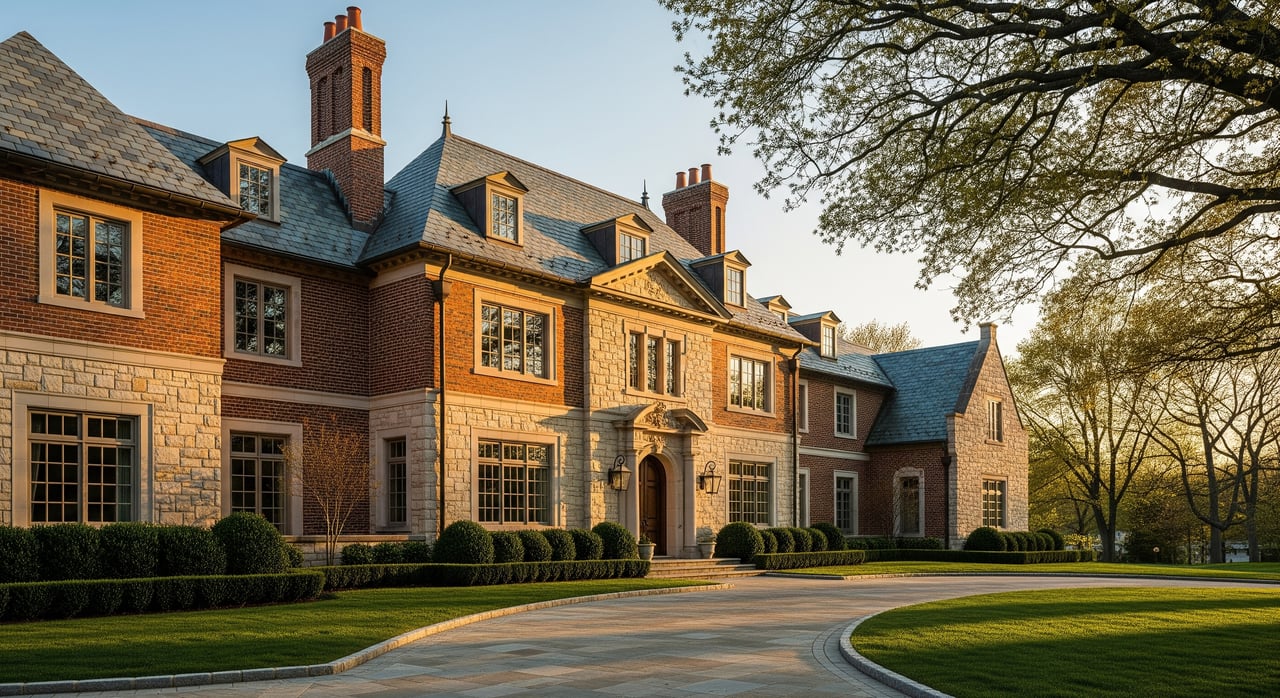
Buying or selling in Ladue and wondering how the appraisal could impact your plans? You are not alone. Appraisals feel straightforward for typical homes, but distinctive Ladue properties introduce more nuance and more room for disagreement. In this guide, you will learn how Missouri appraisals work, how unique homes are valued, what can trigger a reconsideration of value, and how to prepare so you protect your goals. Let’s dive in.
An appraisal is an independent appraiser’s opinion of market value as of a specific date for the lender’s risk decision. It helps the lender confirm that the collateral supports the loan amount, but it is not a guarantee of the final sale price or a substitute for your agent’s comparative market analysis.
In Missouri, appraisers who work on federally related loans must be state licensed or certified. The lender usually orders the appraisal and selects the appraiser through an in-house panel or an appraisal management company. Most residential appraisals follow USPAP standards and use common forms such as the Uniform Residential Appraisal Report. For complex or luxury homes, appraisers may add supplemental forms or deliver a narrative report when the standard form does not capture unique features.
The sales comparison approach is usually primary for single-family homes. The appraiser compares your property to recent, similar sales and adjusts for differences such as location, size, age, lot, condition, and amenities. In Ladue, exact matches can be scarce. Estate-scale homes, larger lots, historic architecture, and custom amenities often require broader searches and larger, well-supported adjustments. Appraisers may extend the time window or geographic radius to find usable sales when true peers are limited.
The cost approach estimates land value plus the current cost to replace the improvements, less depreciation. It can be especially useful in Ladue if the home is new, recently reconstructed, or so unique that sales data underrepresents its features. This approach helps support value when comparable sales are thin, though it is not a direct predictor of what a buyer will pay. Estimating land value still depends on comparable land sales.
The income approach converts income potential into value. It is secondary for most Ladue single-family homes and is typically relevant only if the property clearly generates income, such as a permitted rental unit or other income-producing use.
Appraisers consider the highest and best use of the land. On larger Ladue parcels, redevelopment potential, zoning, or deed restrictions can affect value. Functional issues, like layout inefficiencies or system age, and external factors, like easements or floodplains, can lead to adjustments. Appraisers document these influences and reflect them in the final value opinion.
Expect the appraiser to verify site and structure details and to document condition and quality.
Providing clear documentation helps reduce uncertainty and supports stronger adjustments.
A standard appraisal can take 1 to 2 weeks from order to delivery. For high-end or unique Ladue properties, timing often runs longer. Appraisers may need to find distant or older comps, consult specialists, or produce a narrative report. Lenders typically review the appraisal internally, and some files go through a secondary appraisal review before final underwriting sign-off.
Strong documentation makes a difference, especially when features are unique.
Low appraisals happen for a few common reasons: missing or weaker comps, subjective adjustments in thin data sets, or factual errors such as incorrect square footage or omitted amenities. Your options depend on loan type and contract terms, but common pathways include an administrative correction, a formal reconsideration of value, a lender-initiated second appraisal or desk review, and the contractual choices available under an appraisal contingency.
If you pursue a reconsideration of value, keep it concise and evidence-based.
You want a team that knows how Ladue appraisals get done and how to support value with clear evidence. We help you assemble the right documentation, craft a comp narrative that makes sense, and prepare for lender review so there are fewer surprises. If a reconsideration becomes necessary, we help organize a professional package that stays focused on the facts.
Ready to position your Ladue home for appraisal success or to protect your purchase? Connect with the Medelberg Savage Group for local guidance and a clear plan.
MEDELBERG SAVAGE GROUP
16505 WILD HORSE CREEK RD
CHESTERFIELD MO 63017
Margie Medelberg
[email protected]
(314) 265-3888
Clay Savage
[email protected]
(636) 399-8237
Keremie Kiddy
[email protected]
(314) 779-8268
Terri Rea
[email protected]
(314) 374-5128
MEDELBERG SAVAGE GROUP
16505 WILD HORSE CREEK RD
CHESTERFIELD MO 63017
Margie Medelberg
[email protected]
(314) 265-3888
Clay Savage
[email protected]
(636) 399-8237
Keremie Kiddy
[email protected]
(314) 779-8268
Terri Rea
[email protected]
(314) 374-5128