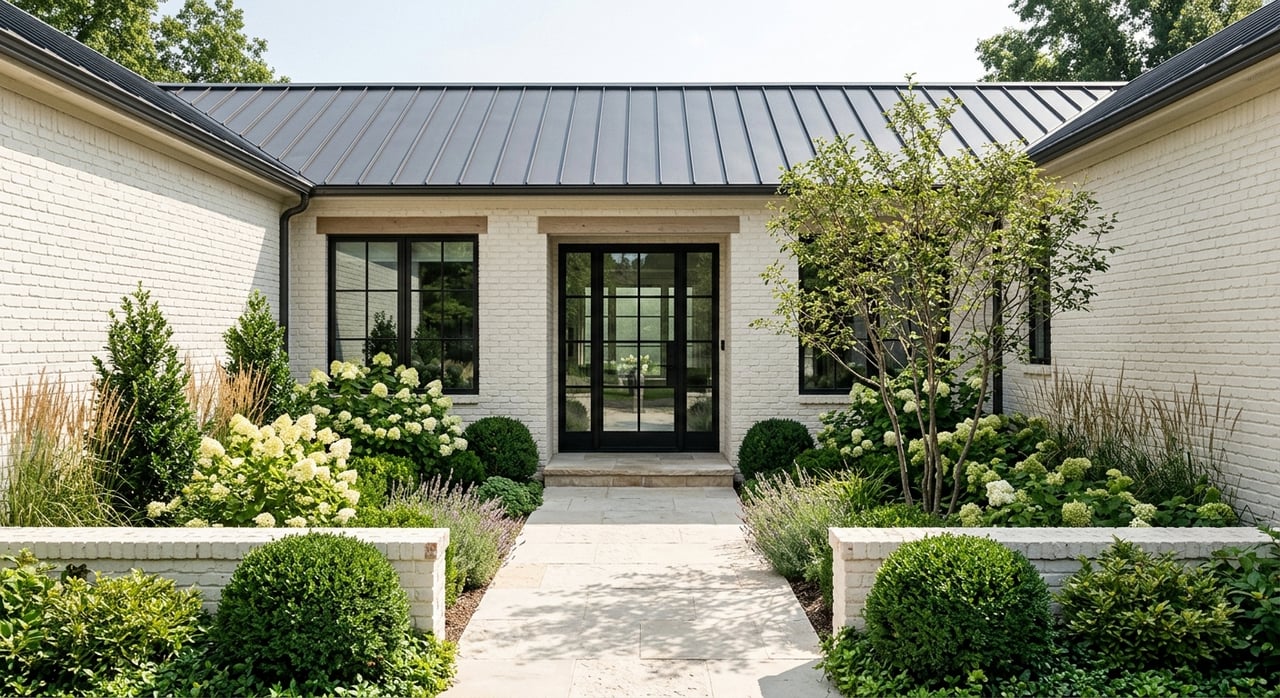
Are you ready for less upkeep without giving up the lifestyle you love in Town and Country? If you have spent years in a large home here, downsizing can feel less like a simple move and more like a major life decision. The good news is that you have real options, and the right plan can help you protect privacy, comfort, and flexibility while reducing day-to-day demands. Let’s dive in.
Luxury downsizing in Town and Country rarely means moving into a tiny home. Local zoning and planning rules are built around detached homes on large lots, so downsizing here often means choosing a more efficient layout, a smaller footprint, or a lower-maintenance property rather than dramatically reducing square footage.
That distinction matters because Town and Country is a market with long-term owners and high-value homes. Census data shows that 29.5% of residents are age 65 or older, 86.5% of housing units are owner-occupied, and the median value of owner-occupied homes is $928,500. Many homeowners here have substantial equity and want a move that simplifies life without leaving the area they know well.
The local planning language gives you a helpful way to think about your choices. In Town and Country, downsizing tends to fall into three practical paths: a smaller detached home in the city, a villa-style low-maintenance home, or a wider search into nearby west county communities for attached or lock-and-leave living.
For many homeowners, that means focusing less on the word “small” and more on the word right-sized. You may want fewer rooms to maintain, more main-level living, less yard work, or a home designed around patios instead of broad lawn areas.
If you want to stay in Town and Country, a smaller detached home may be the most natural fit. The city’s zoning framework emphasizes single-family living, but even the smaller detached districts still require a 2,000-square-foot minimum unit size.
That means your next home can still feel spacious and refined. You may trade extra guest bedrooms, formal spaces, or a large yard for a more efficient layout that better matches how you live now.
Town and Country’s 2020 comprehensive plan defines a luxury garden villa as a detached single-family unit on a reduced-size lot with outdoor living concentrated in patio areas. For many luxury sellers, this is one of the clearest local examples of downsizing without sacrificing privacy.
This type of home can support a more relaxed routine. Instead of maintaining a large lot, you may enjoy a detached home with a more manageable exterior and outdoor spaces designed for entertaining rather than ongoing upkeep.
If your goal is true lock-and-leave living, your search may need to extend beyond Town and Country. That is because the city’s large-lot structure does not naturally produce many attached or compact maintenance-light options.
Nearby communities can open up more possibilities. In Creve Coeur, Olia Village is under construction on the former Bayer campus and is planned to include apartments and town homes, with the first phase scheduled to open in early 2027. In Des Peres planning documents, low- or no-maintenance homes such as rowhouses and townhouses are specifically described as appealing to buyers who want homeownership without recurring maintenance responsibilities.
Town and Country’s land-use rules explain why downsizing inventory can look limited compared with some other parts of St. Louis County. The Estate District requires an 80,000-square-foot minimum lot area, Suburban Estate and Suburban Low require 43,560 square feet, and Suburban Medium requires 21,780 square feet.
Those standards support the city’s well-known large-lot character, but they also shape what downsizing looks like on the ground. In many cases, you are not choosing between an estate home and a downtown-style condo. You are choosing between different forms of upscale suburban living.
Some low-maintenance or right-sized housing formats are possible, but they are not automatic. The city’s Planned Residential Community rules allow adjustments for certain sites when proposals are compatible with site conditions, natural resources, and adjoining uses.
Town and Country’s Site Plan Review process also looks at planning compatibility, nearby development, natural resources, and lighting. In practical terms, that means newer villa-style or custom reduced-maintenance options may exist, but they often depend on approvals and site-specific review.
Downsizing is not only about age or square footage. It is often about whether your current home still fits your lifestyle, budget, and daily routine.
You may be ready to explore a move if:
If several of these sound familiar, downsizing may be less about giving something up and more about creating a home that works better for this next chapter.
For long-time owners, the move itself is only part of the equation. Timing, taxes, and local approvals can all affect your plans, especially if you are selling one high-value property while buying another.
If you believe your property assessment is out of line, it is worth reviewing that early. St. Louis County’s Board of Equalization says property assessment appeals must be filed between May 1 and the second Monday in July, and for 2026 the filing deadline is July 13, 2026.
That deadline can matter if you are preparing to list and want clarity on carrying costs or tax expectations. Early review gives you more room to make informed decisions before your home goes to market.
The Missouri Property Tax Credit, also called the circuit breaker, may be relevant for certain senior citizens and 100% disabled individuals. According to the Missouri Department of Revenue, the maximum credit is $1,100 for eligible owners who owned and occupied their home and $750 for renters, with the actual credit depending on property taxes or rent paid and total household income.
For some households, that makes the financial side of downsizing more nuanced. The type of housing you choose and whether you own or rent next can affect the conversation.
Some downsizing plans involve building rather than buying. If you are considering a new residence, a replacement home, or subdividing land, Town and Country’s process can add time.
The city states that new residences and some additions go before the Architectural Review Board before permitting. For subdivisions, the process includes staff review, Planning and Zoning Commission review, and Board of Aldermen approval, so it is wise to build extra time into your plan.
A successful luxury downsizing move usually starts with clarity, not listings. Before you tour homes, it helps to define what you want your next lifestyle to feel like.
Ask yourself:
Once those answers are clear, the housing search becomes much more focused. You can compare options based on maintenance, layout, timing, and long-term comfort instead of only square footage.
Town and Country is not a one-size-fits-all downsizing market. Inventory can be limited, timelines may need careful coordination, and high-value homes benefit from thoughtful preparation when it is time to sell.
That is where a full-service approach can make a meaningful difference. From pricing strategy and presentation to staging, photography, and buyer-side coordination, the process works best when each step supports the next one.
If you are weighing luxury downsizing options in Town and Country, the right plan starts with understanding both your current home and your next move. The team at Medelberg Savage Group can help you evaluate your options, prepare your home for market, and build a transition strategy that fits your goals.
MEDELBERG SAVAGE GROUP
16505 WILD HORSE CREEK RD
CHESTERFIELD MO 63017
Margie Medelberg
[email protected]
(314) 265-3888
Clay Savage
[email protected]
(636) 399-8237
Keremie Kiddy
[email protected]
(314) 779-8268
Terri Rea
[email protected]
(314) 374-5128
MEDELBERG SAVAGE GROUP
16505 WILD HORSE CREEK RD
CHESTERFIELD MO 63017
Margie Medelberg
[email protected]
(314) 265-3888
Clay Savage
[email protected]
(636) 399-8237
Keremie Kiddy
[email protected]
(314) 779-8268
Terri Rea
[email protected]
(314) 374-5128