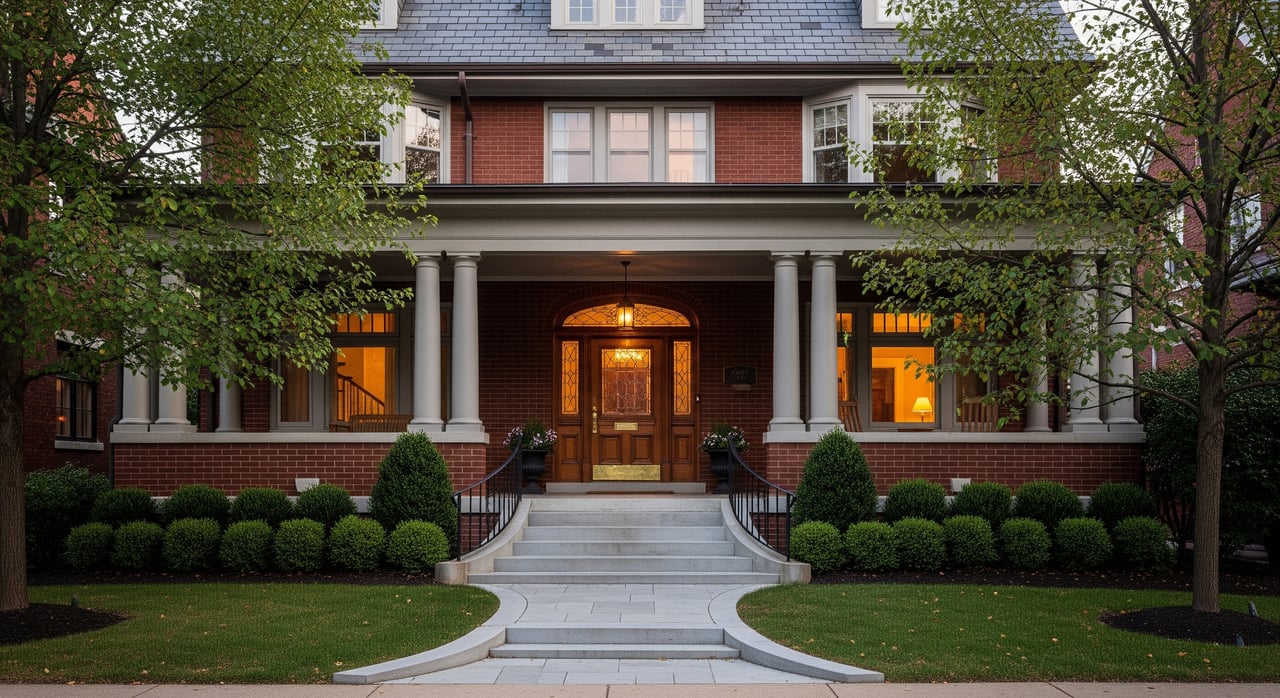
Making an offer in Kirkwood can feel like a high-wire act. You want to win the house, but you also want to protect yourself from costly surprises that are common with older homes. The good news is, smart contingencies give you leverage and safety without scaring off sellers. In this guide, you’ll learn what contingencies mean in Missouri, typical timelines, negotiation strategies, and Kirkwood-specific watchouts so you can compete with confidence. Let’s dive in.
Contingencies are contract conditions that must be met before you are fully obligated to close. In Missouri, many brokers use standardized forms that count deadlines from the “Effective Date,” which is when the seller signs your offer. Deadlines are usually in calendar days unless your contract says otherwise. For form and process context, review the Missouri REALTORS consumer resources to understand how standard timelines work in practice.
Sellers typically complete a property disclosure. Federal law requires a lead-based paint disclosure for homes built before 1978. Even in an “as-is” sale, disclosure duties still apply and you often keep inspection rights unless you waive them in writing. Since contract language controls your rights and dates, you should consult your agent and, when appropriate, a real estate attorney before waiving protections.
This gives you time to inspect the property and either negotiate repairs or credits, or cancel if serious defects are found. In Kirkwood’s older housing stock, give extra attention to:
You can add specialized inspections like sewer scope, radon, chimney, pest/termite, mold, or HVAC evaluations as part of your inspection window.
For homes built before 1978, the seller must provide a federal lead disclosure and buyers generally have a period to conduct a lead inspection or risk assessment. In older Kirkwood homes, that testing is a prudent step, especially for households with children or pregnant members. Learn more from the HUD lead-based paint rules and buyer pamphlet.
St. Louis County has areas with moderate to high radon potential. A short-term radon test (usually 48–72 hours) is commonly included in the inspection contingency. If levels are elevated, buyers often negotiate mitigation or a credit. Review regional guidance in the EPA radon guidance.
Many older neighborhoods have clay laterals that can crack or attract tree root intrusion. A camera scope of the main sewer line is a common add-on that helps avoid costly surprises after closing.
Termites and other wood-destroying organisms can damage framing and trim. Many buyers order this inspection, and some lenders require it.
This protects you if your loan cannot be approved by a stated deadline. The clause typically specifies the loan type, interest rate parameters, and timing for loan approval or commitment. Keep in mind that FHA and VA loans have property standards that can require repairs before closing, which can limit your ability to waive protections.
If the lender’s appraisal comes in below your contract price, this contingency lets you renegotiate, bring cash to cover a gap, or terminate per the contract. Some buyers use an “appraisal gap” clause, agreeing to cover a shortfall up to a set amount in cash, which can strengthen an offer without removing protection entirely.
If you need to sell your current home first, this contingency can keep your risk in check. In competitive markets, sellers often use a “kick-out” clause that allows them to keep marketing the home and gives you a short window to remove the contingency if they receive a better offer.
A title commitment and, when ordered, a survey help uncover easements, encroachments, or boundary issues. In older subdivisions, it is wise to review both and object within your contract’s deadlines.
Your specific contract controls, but these are common ranges in local practice:
Contracts often allow written extensions if both parties agree, especially when you need bids or specialist inspections because of issues found during your initial inspection.
You can make a strong offer while keeping key protections. Consider these strategies:
For context on local market dynamics and customs, you can explore St. Louis REALTORS market information. National trends and guidance on buyer protections are also available through the National Association of REALTORS.
Kirkwood includes historic neighborhoods and designated properties where exterior changes may be subject to preservation rules. Before planning exterior projects or additions, review the City of Kirkwood Historic Preservation Commission information so you understand approval pathways and timelines.
Ask for proof of permits on major renovations. The City of Kirkwood building department and public records can help you verify whether prior work was permitted and closed out properly. Unresolved permit issues can affect title, insurance, or your renovation plans.
Because many Kirkwood homes are older, prioritize a sewer scope, and include radon testing given the regional risk levels. Lead-based paint is common in pre-1978 homes, and a risk assessment can help you plan safe maintenance and mitigation.
Well-structured contingencies do more than protect you. They also signal to the seller that you are serious, organized, and ready to move. With the right plan, you can be competitive in Kirkwood while keeping your financial risk in check.
If you want a local strategy tailored to a specific property, reach out to the Medelberg Savage Group for guidance on inspections, timelines, and negotiation approaches that fit the Kirkwood market.

MEDELBERG SAVAGE GROUP
16505 WILD HORSE CREEK RD
CHESTERFIELD MO 63017
Margie Medelberg
[email protected]
(314) 265-3888
Clay Savage
[email protected]
(636) 399-8237
Keremie Kiddy
[email protected]
(314) 779-8268
Terri Rea
[email protected]
(314) 374-5128
MEDELBERG SAVAGE GROUP
16505 WILD HORSE CREEK RD
CHESTERFIELD MO 63017
Margie Medelberg
[email protected]
(314) 265-3888
Clay Savage
[email protected]
(636) 399-8237
Keremie Kiddy
[email protected]
(314) 779-8268
Terri Rea
[email protected]
(314) 374-5128